

Welcome to Wings.Logistic
Reliable & Fast Freight Solutions for Your Logistics Needs
About Us
Reliable & Fast Freight Solutions for Your Logistics Needs
Welcome to Wings Logistics, your trusted partner in freight forwarding and logistics solutions. We specialize in international and domestic shipping, customs clearance, and warehousing, ensuring safe and on-time delivery of your goods.
Read MoreIndustry Expertise
Years of experience in global logistic
Global Network
Strong partnerships with major carriers worldwide
Competitive Pricing
Affordable shipping solutions tailored to your needs
Customs Compliance
Expert assistance in smooth clearance procedures

Need help or more information?
Fill out our form, and our team will get back to you quickly!
Contact UsServices
Comprehensive Logistics Services Tailored to Your Needs
Sea Freight
Reliable ocean freight services, including Full Container Load (FCL) and Less than Container Load (LCL), to major global ports.
Air Freight
Fast and secure shipping for urgent deliveries, with end-to-end tracking and handling of all necessary documentation
Road Freight
Flexible ground transportation for local and cross-border shipments, including temperature-controlled and oversized cargo options.
Tracking
To track your cargo container's arrival, simply use the container number, Bill of Lading, or booking reference ...
Customs Clearance
Hassle-free clearance with expert handling of all customs regulations, duties, and documentation.
Warehousing & Distribution
State-of-the-art warehousing facilities for safe storage, inventory management, and last-mile delivery.
Request a Quote
Need a customized shipping solution? Fill out the form below, and our team will get back to you with a competitive quote.
LCL QUOTE (Less Than Container Load)
Less than Container Load (LCL) is useful when the exporter does not need to book a complete container because the cargo does not require that much space. An LCL container is used for smaller shipments that need to be shipped cheaply and on time. LCL means sharing a container with freight shipments from several different shippers. FCL gives you total control of your container, whereas LCL combines your shipment with others. People that need to transport a little amount of cargo prefer this mode of transportation. They are a more affordable option than FCL shipments, but they take longer to get to their destination. LCL cargo consists of a wide range of items that must be shipped to various destinations worldwide. The task of transferring products via LCL is significantly more difficult because there is more paperwork to process. Because items are categorized differently for each client who must receive the container, LCL takes longer. This takes days to finish since all of the goods must first be unloaded from the cargo container, followed by clearing customs and dispatch.
Get Started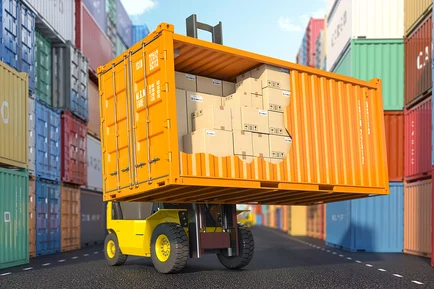
FCL QUOTE (Full Container Load)
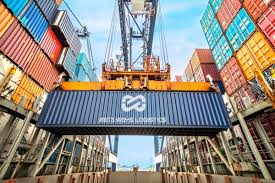
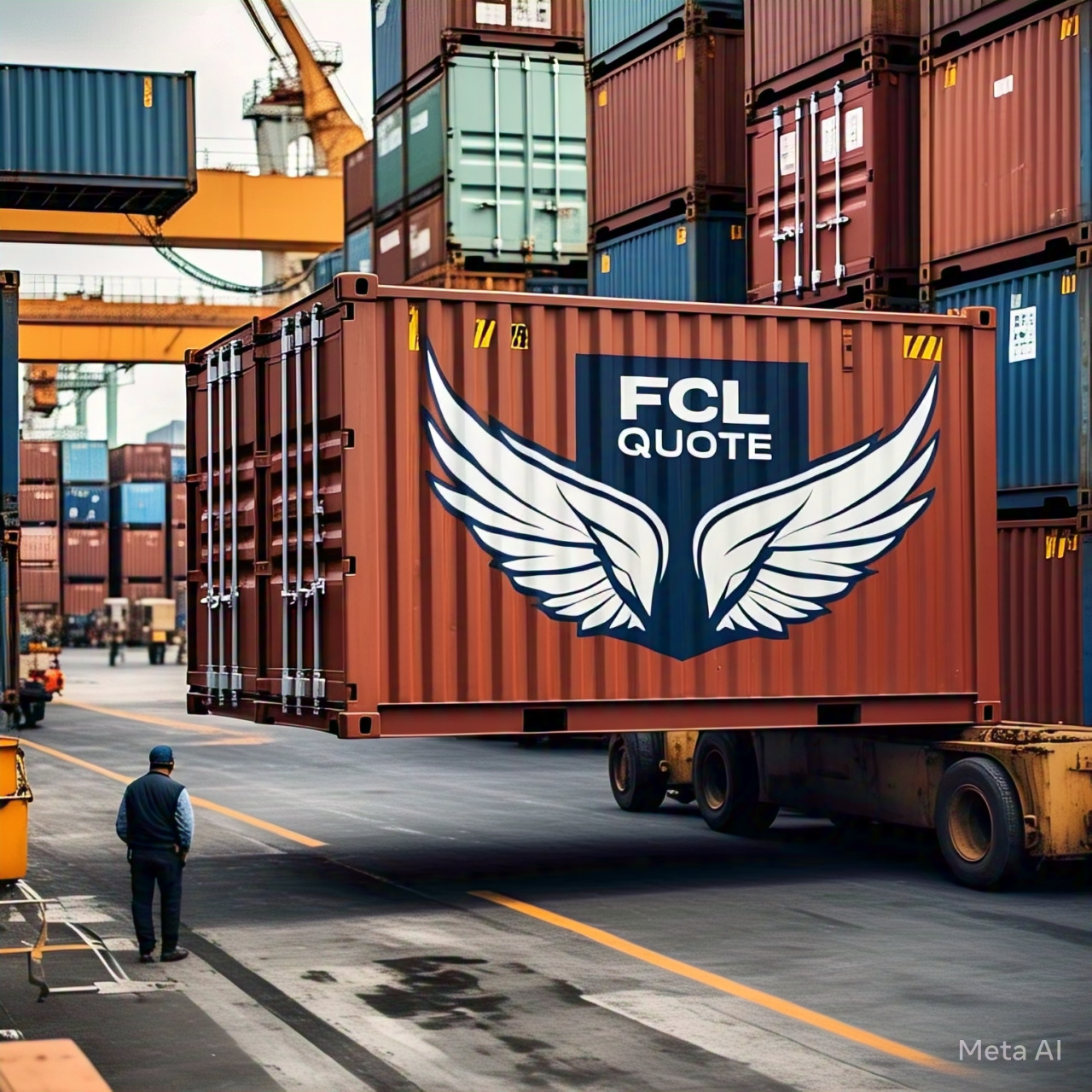
A full container load (FCL) consists of a container that is exclusively used by one customer. A full container load (FCL) is a single container reserved by the shipper solely for the shipment of their cargo.
There is no obligation for the shipper to swap containers with cargo from other shippers. It increases safety and streamlines the management of ocean freight transportation. Shippers who have a high volume of merchandise that can fill a whole steel shipping container may explore this option for shipping. Because the cargo box is reserved especially for them, the transporter does not have to exchange it with any other consignment. It has the added benefit of enhancing security and easing the transportation process. Since FCLs are owned by only one shipper, the cargo containers do not need to be fully loaded with goods to be FCLs. Even if the cargo is half-filled or partially-filled, the boxes can be fitted. Because the complete cargo unit does not have to be emptied and unpacked into separate loads before being delivered, an FCL shipment is delivered faster than any other.
Less than Container Load (LCL) is useful when the exporter does not need to book a complete container because the cargo does not require that much space.
An LCL container is used for smaller shipments that need to be shipped cheaply and on time. LCL means sharing a container with freight shipments from several different shippers. FCL gives you total control of your container, whereas LCL combines your shipment with others. People that need to transport a little amount of cargo prefer this mode of transportation. They are a more affordable option than FCL shipments, but they take longer to get to their destination. LCL cargo consists of a wide range of items that must be shipped to various destinations worldwide. The task of transferring products via LCL is significantly more difficult because there is more paperwork to process. Because items are categorized differently for each client who must receive the container, LCL takes longer. This takes days to finish since all of the goods must first be unloaded from the cargo container, followed by clearing customs and dispatch.
Get StartedWhy Choose Us?
Manage with Confidence
Easily manage your shipments with confidence, thanks to online visibility, secure payments, and comprehensive order tracking in eligible countries.
Search with Ease
Easily select the logistics services that interest you to receive an accurate quote, or contact us to get a personalized quote tailored to your needs.
Get Dedicated Support
Enjoy 24/7 assistance and support from the logistics experts at wings.com, committed to delivering exceptional service and ensuring your complete satisfaction.

Agents
Hours Of Support
Workers
Frequently Asked Questions
Find answers to common questions about our services, features, and support. Wings Forward – guiding you towards seamless solutions!
1. Which Incoterm is the most advantageous for my business?
The best Incoterm depends on your role (exporter or importer), your control over logistics, and the level of risk you are willing to take.
For an exporter: If you want to minimize responsibilities,
EXW (Ex Works) is advantageous as the buyer handles everything. For an importer: DAP (Delivered at Place) or DDP (Delivered Duty Paid) are beneficial as the seller takes care of almost everything.
For maritime transport: FOB (Free On Board) is recommended for exporters, while CIF (Cost, Insurance, and Freight) is better for importers.
2. What is the difference between FOB and CIF?
FOB (Free On Board): The seller is responsible for the goods until they are loaded onto the ship. After that, the buyer assumes all costs and risks.
CIF (Cost, Insurance, and Freight): The seller pays for transportation and insurance up to the destination port, but the risk is transferred to the buyer once the goods are loaded onto the ship.
3. Who pays for transport costs under each Incoterm?
EXW (Ex Works): The buyer pays all transport costs.
FOB (Free On Board): The buyer pays for the main (maritime) transport.
CIF (Cost, Insurance, and Freight): The seller pays for the main transport and insurance.
DAP (Delivered at Place): The seller pays up to the agreed delivery location.
DDP (Delivered Duty Paid): The seller pays all costs, including customs duties.
4. When does risk transfer occur in an export contract?
Risk transfer depends on the Incoterm used:
EXW: As soon as the seller makes the goods available.
FOB / CIF: Once the goods are loaded onto the ship.
DAP / DDP: When the goods reach the agreed destination.
Contact
Besoin d’aide ? Contactez-nous
Address
Avenue Habib
bourguiba Morneg Ben Arous
Call Us
Phone: (+216) 55 639 228
Phone: (+216) 53 994 755
Email Us
management.wings.logistics@twiic.com
Open Hours
Monday - Friday
9:00AM - 05:00PM